
PFAS in Shanghai: Understanding Forever Chemical Contamination in China’s Largest City
PFAS in Shanghai
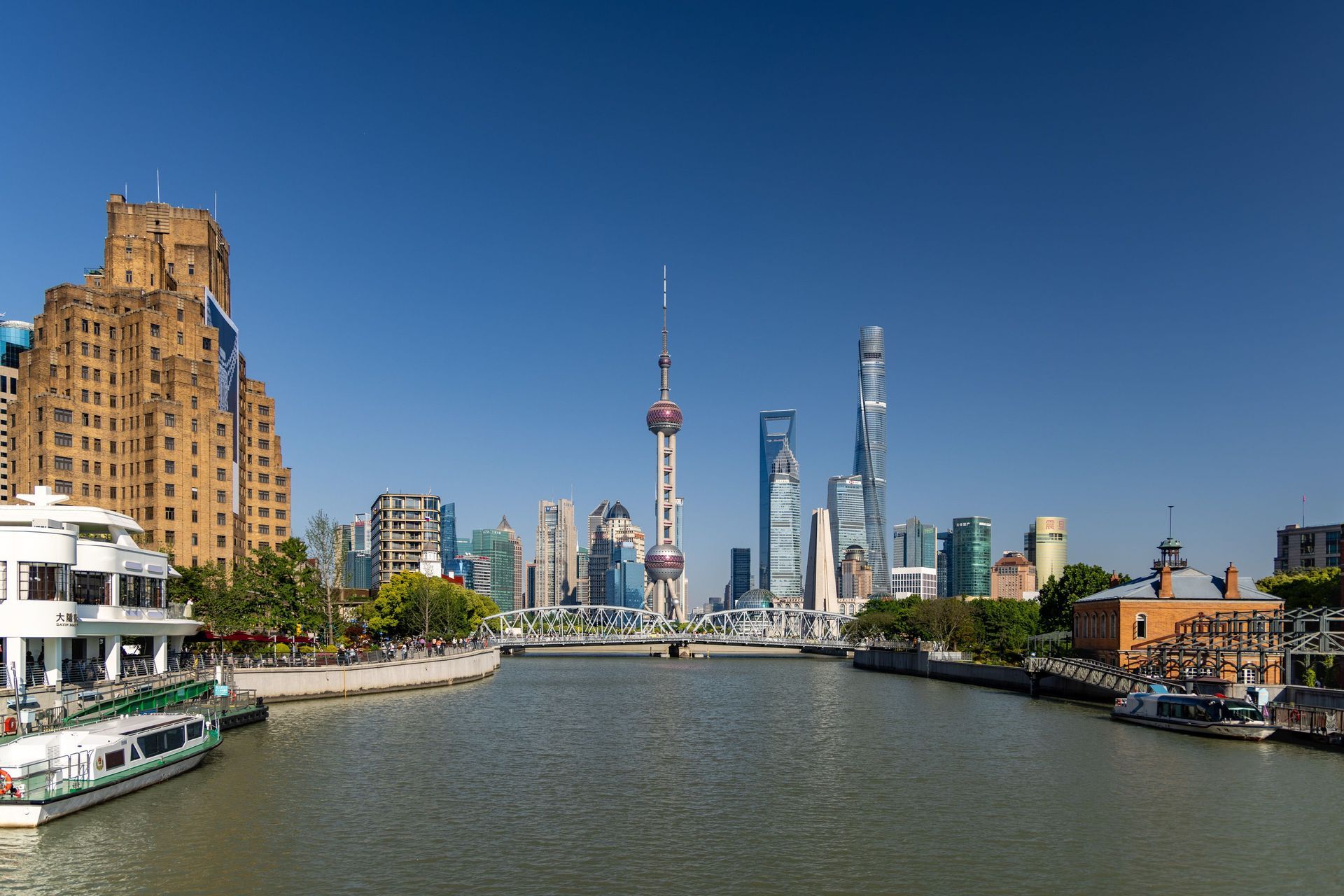
Per- and polyfluoroalkyl substances (PFAS), commonly known as "forever chemicals," are receiving increasing attention worldwide due to their persistence in the environment and potential impacts on human health. In Shanghai, China's largest city and one of the world's most important industrial and economic centers, PFAS contamination has become an emerging environmental challenge that reflects broader trends across Asia.
As urbanization, industrial development, and environmental monitoring continue to expand, understanding PFAS contamination is becoming increasingly important for residents, industries, researchers, and policymakers working to protect water resources and public health.
What Are PFAS?
PFAS are a large group of synthetic chemicals that have been used in industrial and consumer applications since the 1940s. Their unique resistance to heat, water, oil, and chemicals has made them valuable in products such as:
- Non-stick cookware
- Water-resistant textiles
- Food packaging materials
- Firefighting foams
- Industrial coatings
- Electronics manufacturing
However, these same properties make PFAS extremely persistent in the environment. Many PFAS compounds do not naturally degrade and can remain in water, soil, and sediments for decades.
Because they accumulate over time and are difficult to remove, PFAS are often referred to as "forever chemicals."
Why PFAS Matter in Shanghai
Shanghai is home to more than 24 million people and serves as one of Asia's largest industrial, financial, and transportation hubs.
The city's extensive manufacturing activities, chemical industries, ports, airports, and urban infrastructure have contributed to concerns regarding emerging contaminants, including PFAS.
Potential sources of PFAS contamination in and around Shanghai include:
- Industrial manufacturing facilities
- Chemical production plants
- Electronics manufacturing
- Firefighting foam usage
- Wastewater treatment plants
- Landfills and waste disposal sites
- Industrial discharge into waterways
As environmental monitoring improves, researchers continue to investigate the presence and distribution of PFAS compounds in rivers, groundwater, sediments, and drinking water sources throughout the region.
Water Resources and PFAS Challenges
Shanghai relies heavily on surface water resources, including the Yangtze River and the Huangpu River, to supply drinking water to millions of residents.
Protecting these water sources is a critical priority due to the city's size and economic importance.
PFAS contamination presents unique challenges because:
- PFAS can travel long distances through water systems
- Conventional treatment processes may not fully remove PFAS
- Industrial regions can contribute multiple contamination sources
- Growing populations increase pressure on water resources
As awareness of PFAS grows globally, water utilities are increasingly evaluating advanced treatment technologies capable of reducing PFAS concentrations.
Industrial Development and Environmental Management
Shanghai has experienced remarkable economic growth over the past several decades, becoming one of the world's leading manufacturing and technology centers.
While industrial development has driven economic prosperity, it has also increased the importance of managing emerging environmental contaminants.
Environmental authorities continue to strengthen monitoring programs focused on:
- Industrial emissions
- Surface water quality
- Groundwater protection
- Waste management practices
- Chemical manufacturing activities
- Environmental risk assessment
These initiatives support broader efforts to improve environmental quality while maintaining economic growth.
PFAS Treatment Technologies
Around the world, utilities and industries are implementing advanced treatment solutions to address PFAS contamination.
Common technologies include:
- Granular Activated Carbon (GAC)
- Ion Exchange Resins
- Reverse Osmosis (RO)
- Advanced Adsorption Systems
- Specialized PFAS Destruction Technologies
As China continues to invest in water treatment infrastructure, these technologies are expected to play an increasingly important role in managing PFAS risks and improving water quality.
Human Health Considerations
Scientific studies have linked exposure to certain PFAS compounds with a range of potential health concerns, including:
- Elevated cholesterol levels
- Thyroid disorders
- Immune system effects
- Developmental impacts
- Liver function changes
- Increased risks associated with long-term exposure
Researchers around the world continue to study PFAS to better understand exposure pathways and potential health impacts.
Reducing contamination in water supplies and preventing new releases remain important objectives for protecting public health.
Shanghai's Role in Asia's PFAS Response
As one of Asia's most influential cities, Shanghai has an opportunity to contribute significantly to the region's response to PFAS contamination.
The city is well-positioned to support:
- Advanced environmental monitoring
- Industrial best practices
- Water treatment innovation
- Research and development
- Sustainable manufacturing initiatives
- Environmental policy advancement
These efforts can help reduce environmental contamination while supporting long-term economic and environmental sustainability.
The Future of PFAS Management in Shanghai
PFAS awareness is growing rapidly across Asia, and Shanghai is expected to remain an important focus area for research, monitoring, and treatment development.
Future priorities are likely to include:
- Expanded PFAS monitoring programs
- Improved industrial discharge controls
- Enhanced drinking water treatment systems
- Groundwater protection initiatives
- Environmental remediation projects
- Greater transparency and public awareness
As scientific understanding evolves, regulatory frameworks and treatment strategies will continue to adapt to address emerging PFAS challenges.
Conclusion
PFAS contamination represents a growing environmental issue for major cities around the world, including Shanghai. As China's largest city and a global economic powerhouse, Shanghai faces the challenge of balancing industrial growth with environmental protection and water resource management.
Through continued investment in monitoring, treatment technologies, and sustainable industrial practices, Shanghai can strengthen its ability to manage PFAS risks and protect both public health and the environment.
For governments, industries, researchers, and citizens seeking reliable information on PFAS contamination and treatment technologies, understanding the challenges and opportunities associated with PFAS management will remain increasingly important in the years ahead.